
From Surviving To Thriving
For veterans, first responders, and trauma survivors who are done managing symptoms and ready to actually heal.
Do you want to …
-
The drinking to decompress after a shift. The porn. The scrolling for two hours before you can sleep. The medication that flattens everything just enough to function.
None of these are weaknesses or character flaws.
They're practical solutions for an unbearable amount of unprocessed pain.
When you heal the root cause, the need for the numbing starts to go away on its own.
-
The hypervigilance made sense once. It kept you sharp, kept you safe, and maybe it kept other people safe too.
The problem is it doesn't know when the threat is over. Instead, it follows you into rooms where nothing is wrong and tells you something is wrong anyway.
It shows up as the hair-trigger reaction, the inability to sit still, the constant low-grade feeling that you need to be ready for something.
We work on the nervous system directly, not just the thoughts running on top of it. The volume comes down.
You start to feel the difference between actually being in danger and just having a body that forgot how to stop preparing for it.
-
For a lot of people we work with, the job or trauma was their whole identity. To let go of who you were and find out who you are now can be scary as hell. We help you look forward and build a life that is aligned with who you are becoming.
-
You've been holding it together for so long that holding it together has become its own full-time job. You love the people around you. You just can't seem to actually be there. The irritability that comes out of nowhere, the checking out, the blowing up over something small and then carrying the guilt about it for days.
Trauma has a way of making you a stranger in your own life. That changes when you work on what's underneath it, not just the symptoms sitting on top.
-
Trauma is isolating in a specific way. Not just lonely, but the kind of alone that comes from being in a room full of people and knowing that none of them actually understand what you're carrying.
You stop trying to explain yourself because the gap is too wide.
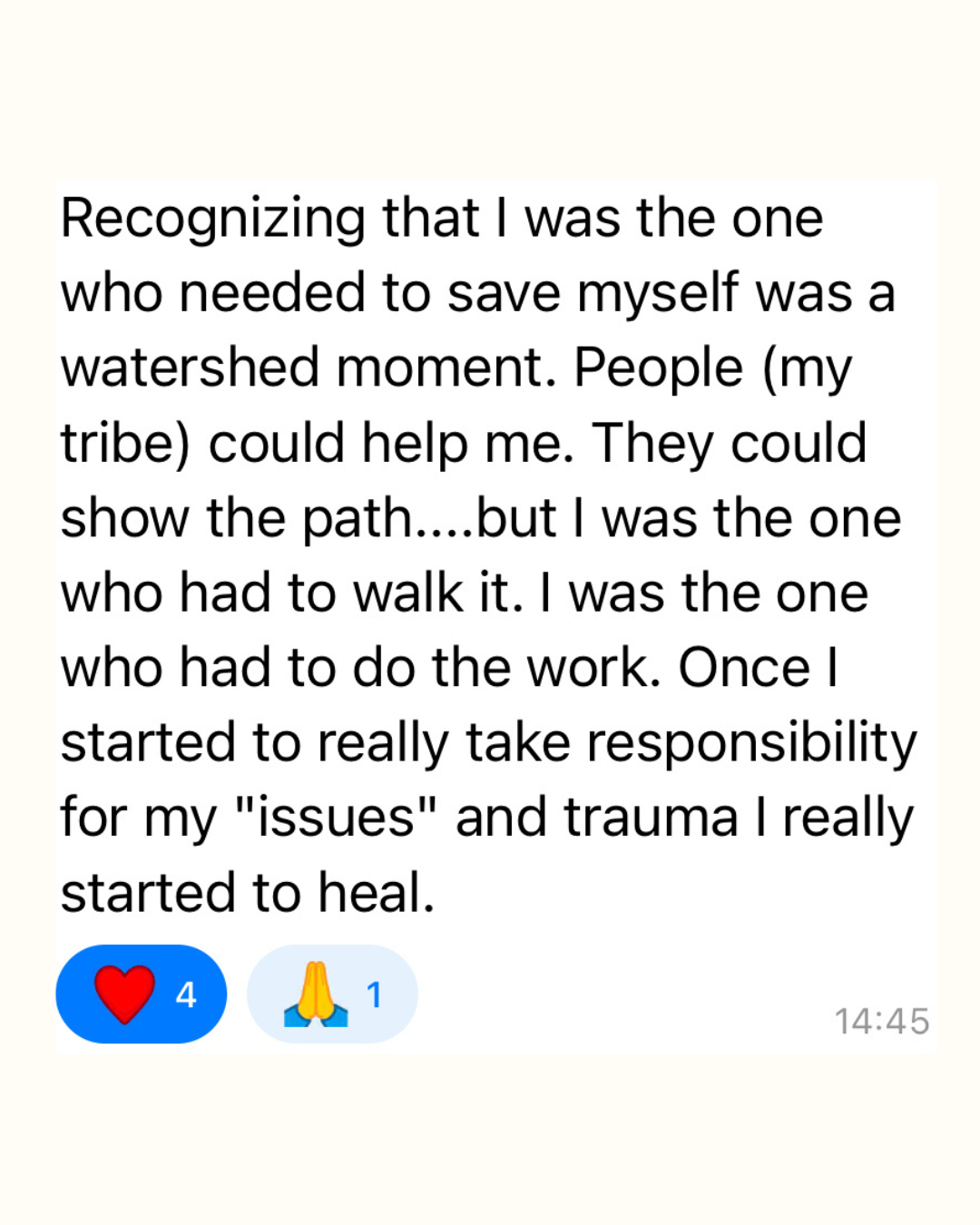
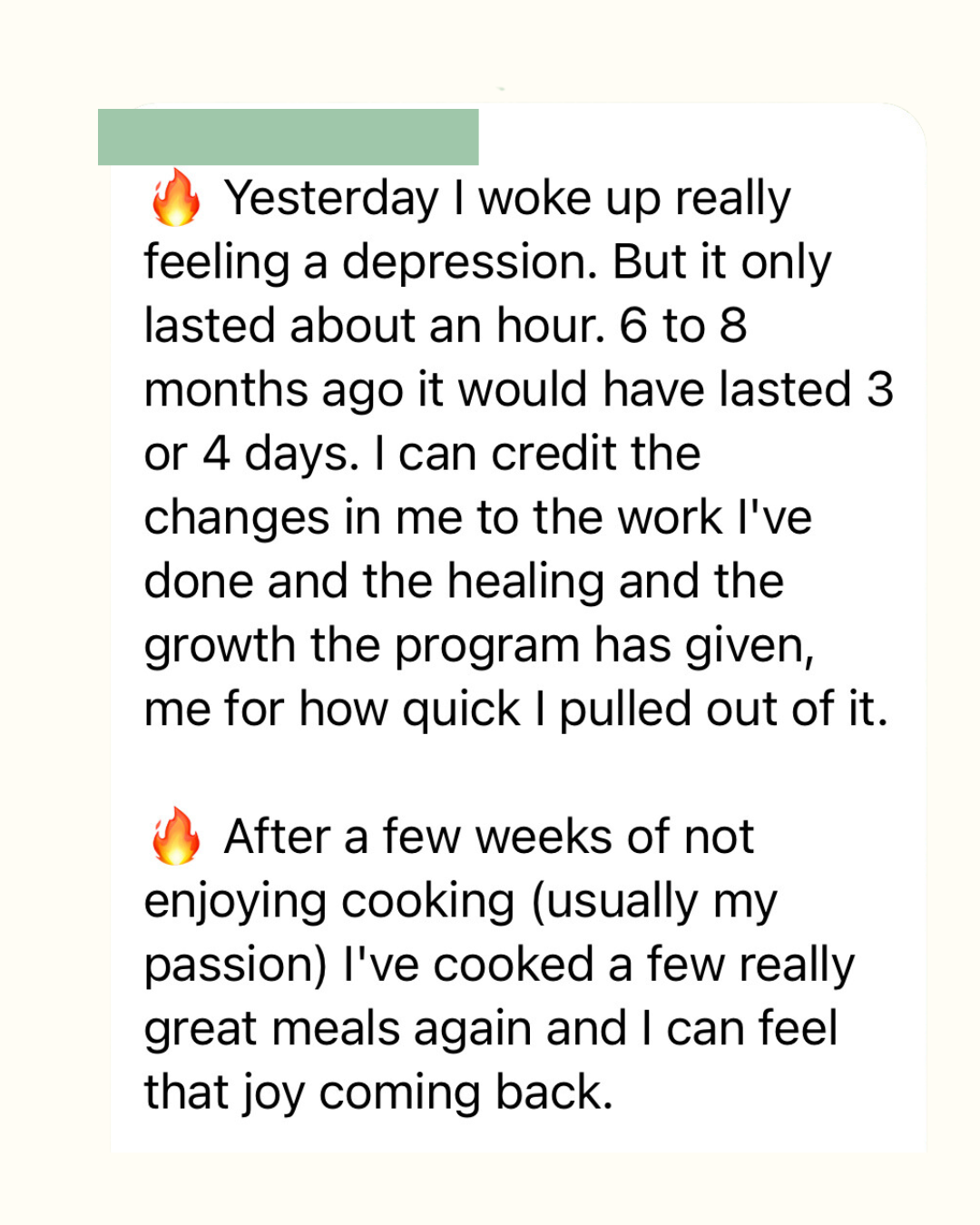
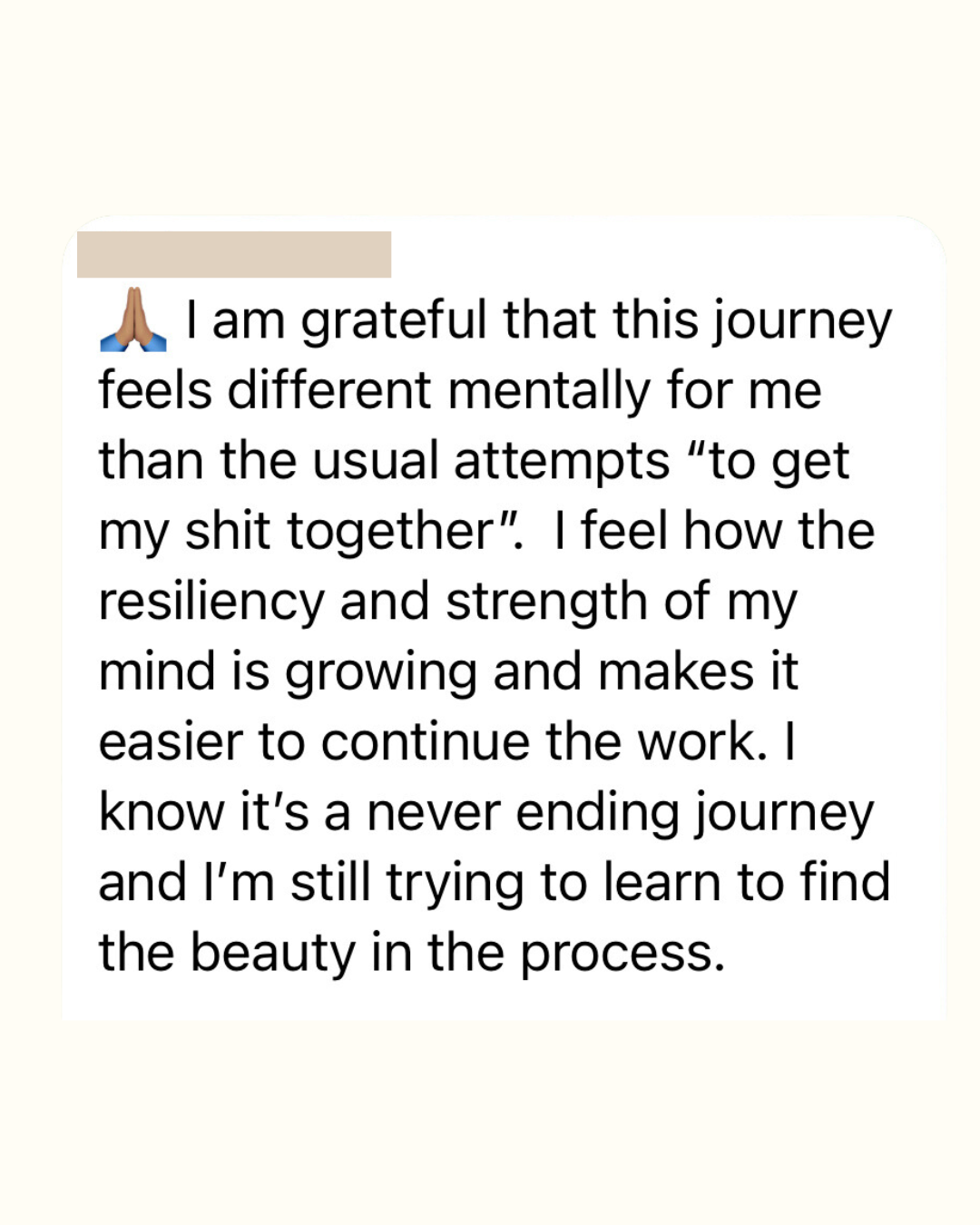
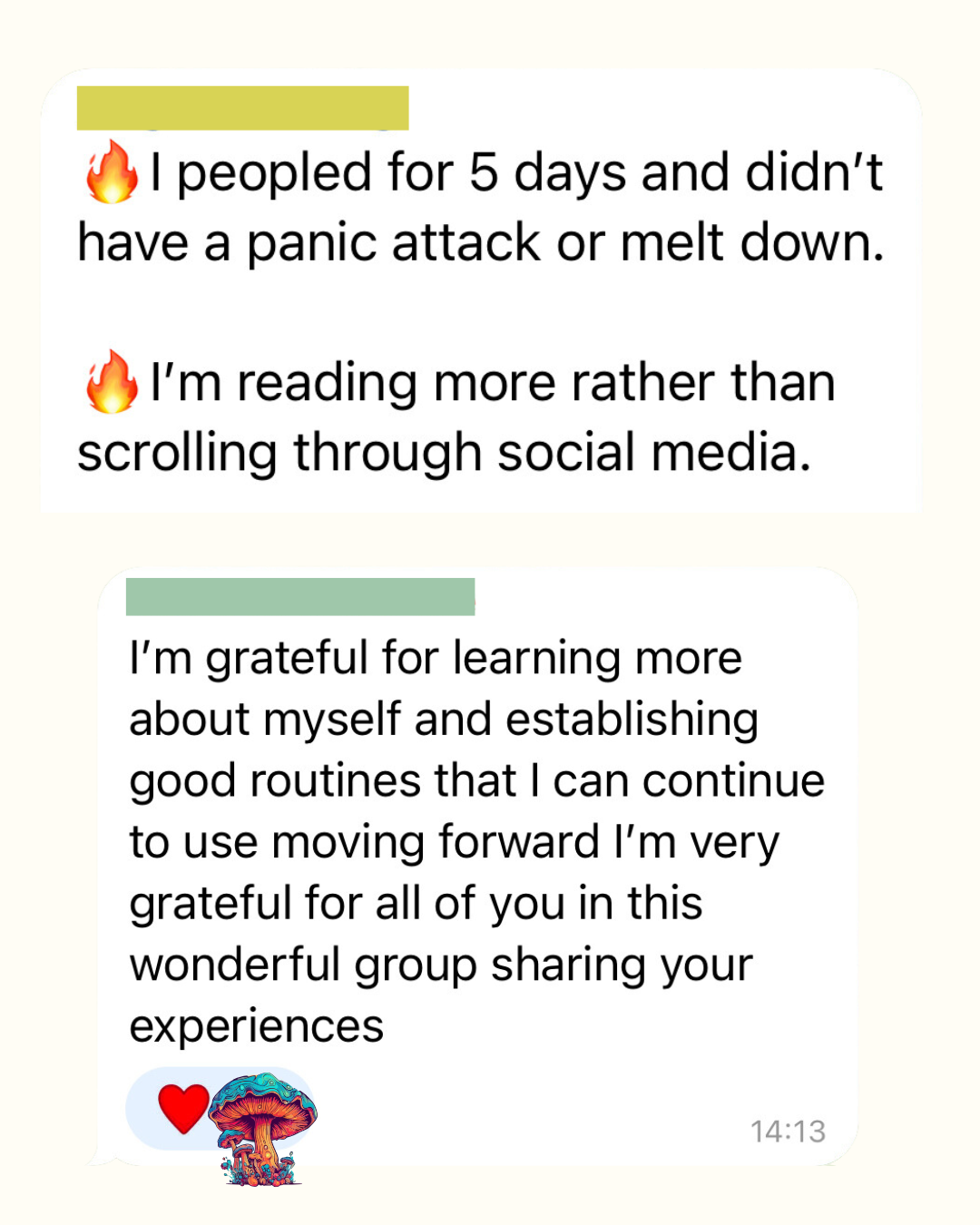
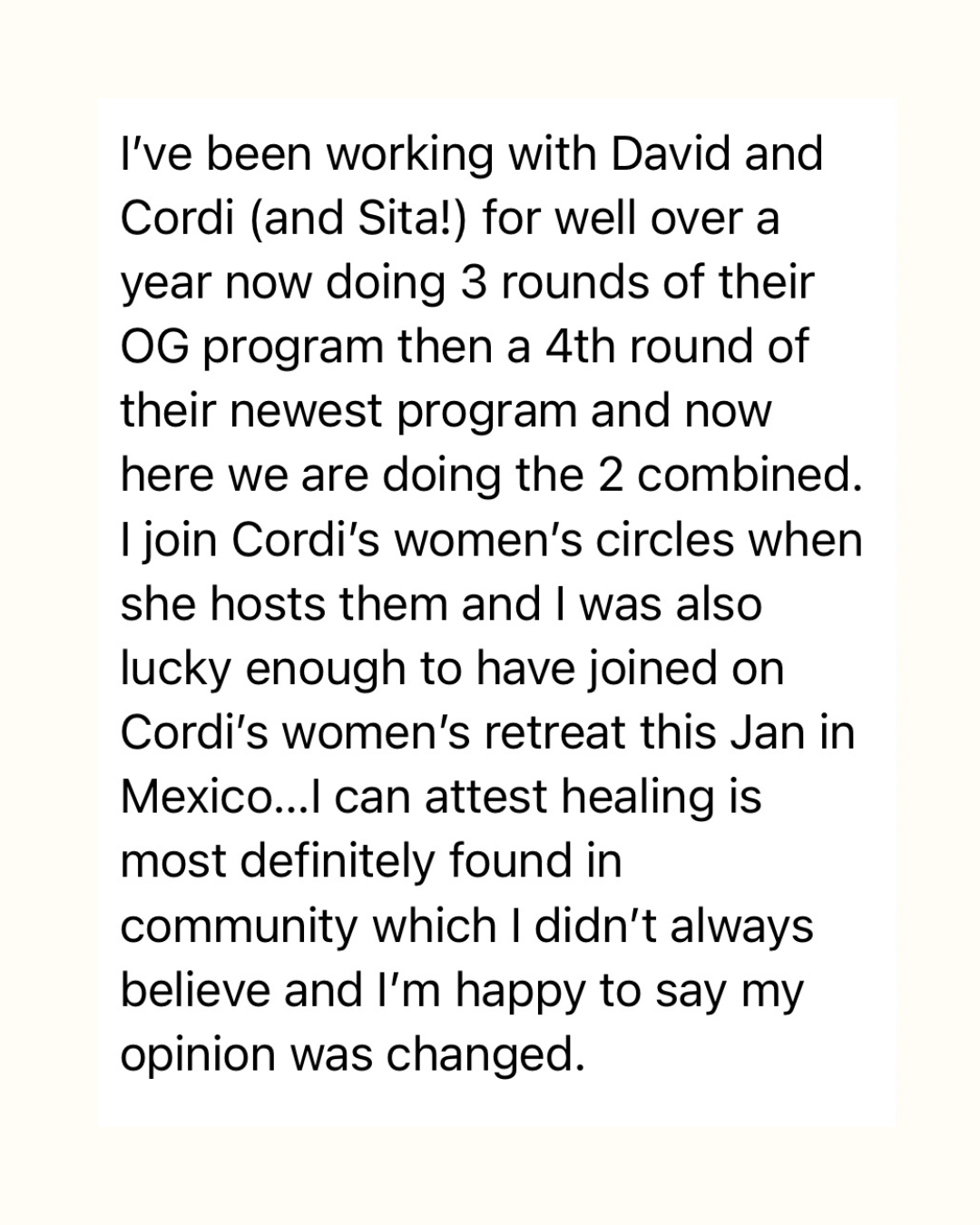
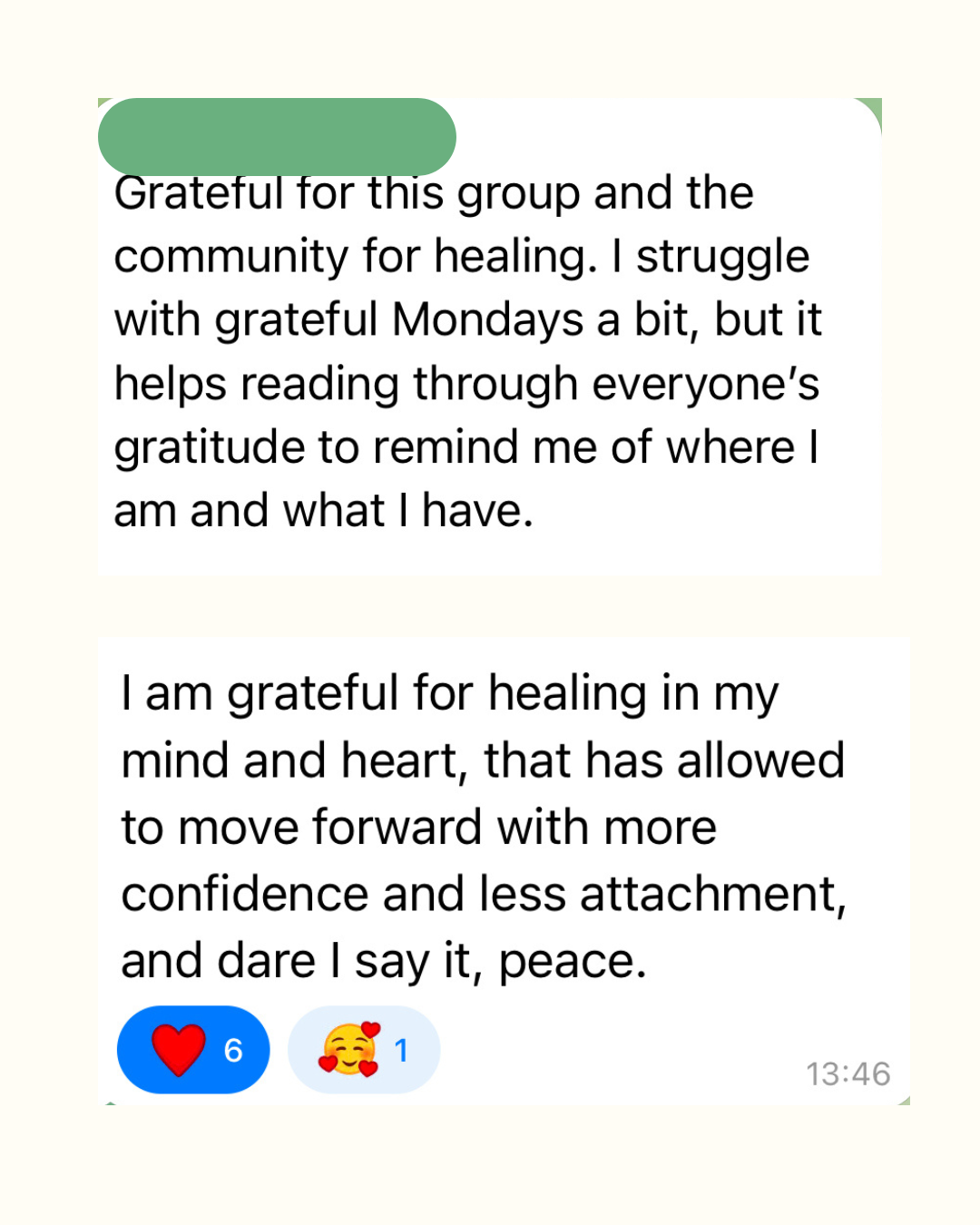
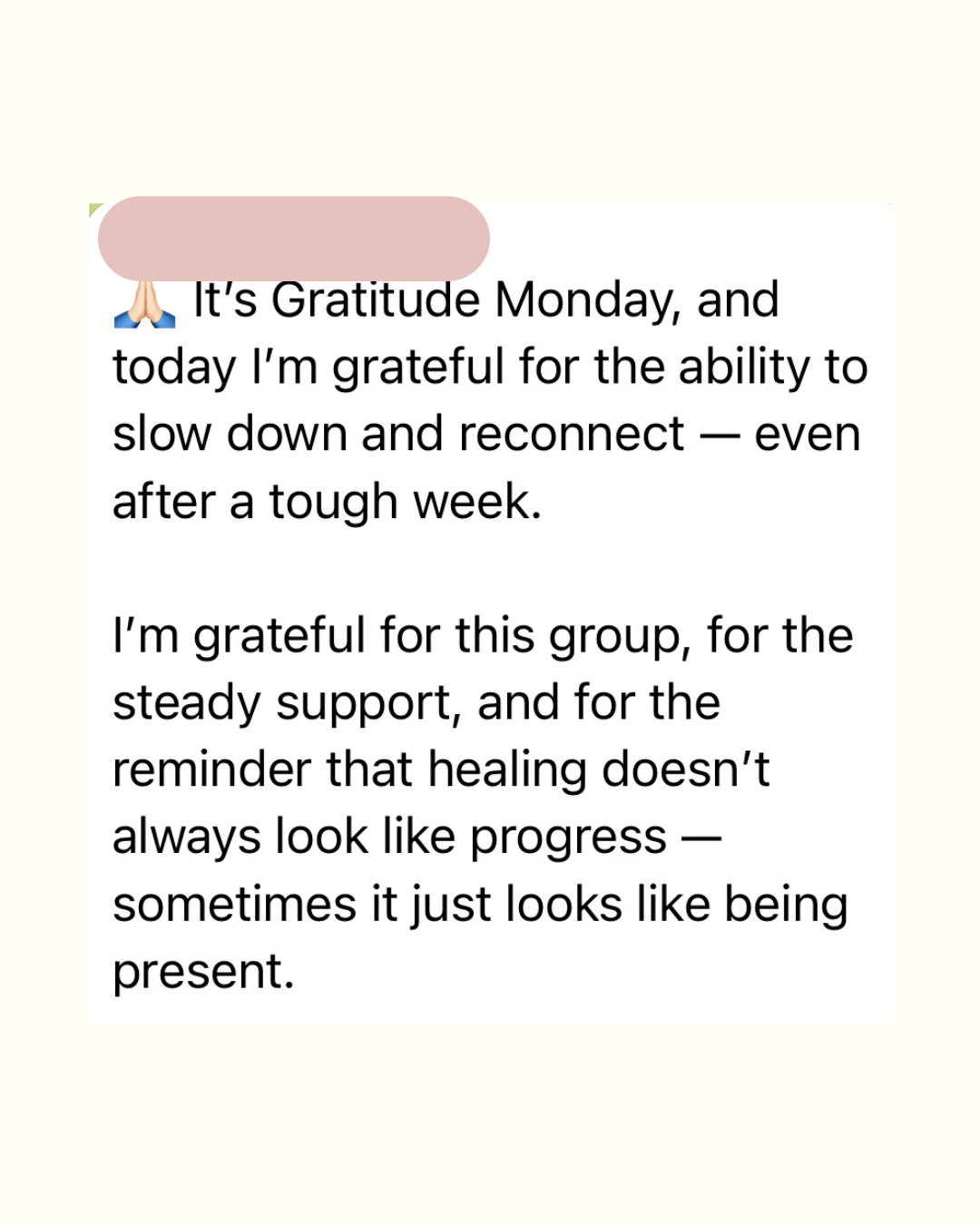
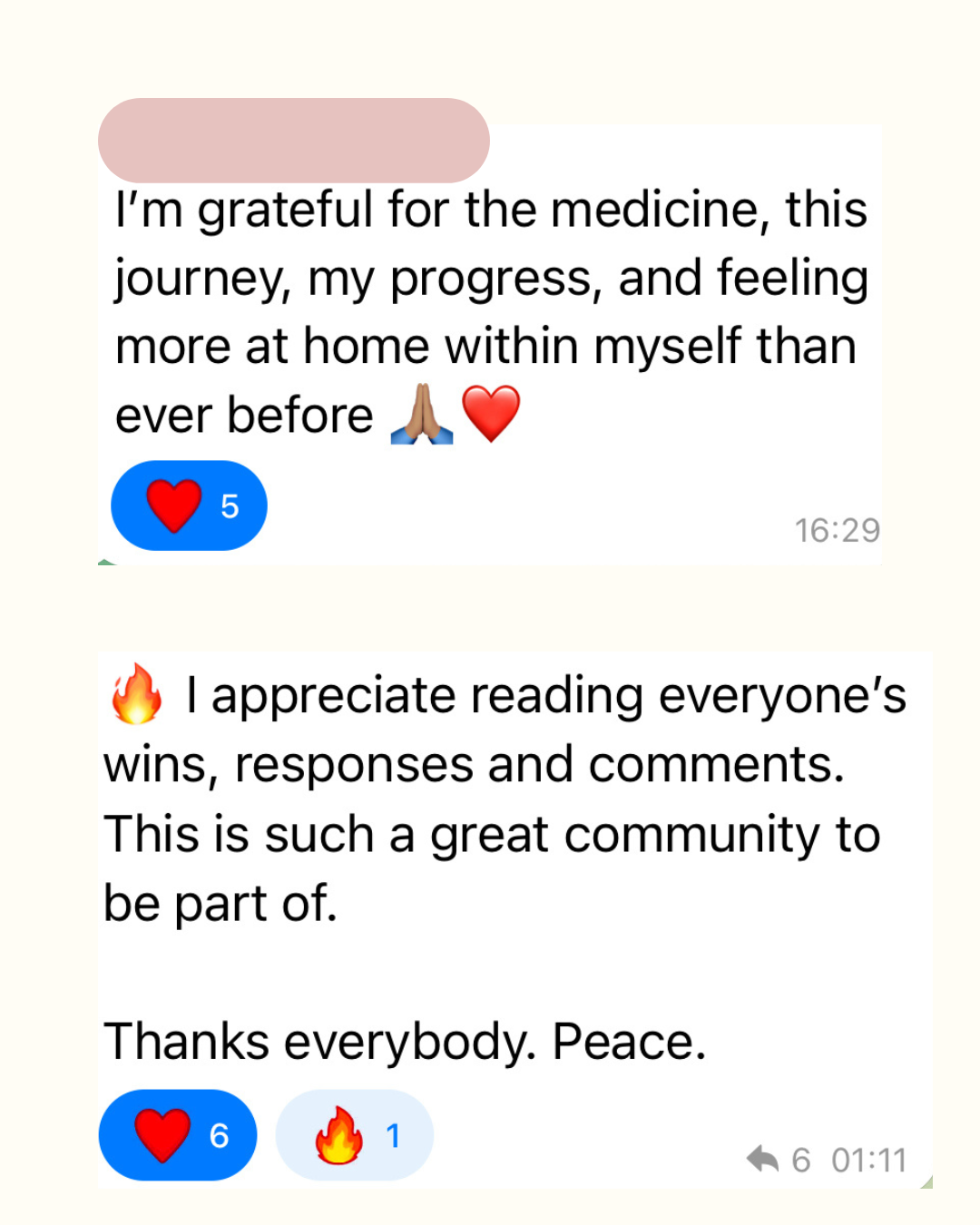
What we've built inside this program is a community of people who closed that gap a long time ago. People who are doing the same work, carrying similar weight, and showing up anyway. You remember what it feels like to say the real thing and have someone just nod.
What Makes This Different
The Zwoboda Integration Method looks at your whole life, not just the parts that are obviously broken.
The work addresses your environment, your habits, your relationships, and the patterns that have sneakily been running the show for years.
And unlike a lot of approaches to trauma, we spend as much time building toward who you're becoming as we do processing where you've been.
Understanding the past matters, but living there doesn't.
For those who have a partner or spouse, we also invite them to go through this journey alongside you.
-
Every client goes through a detailed intake before anything else, so the program is built around where you actually are and where you actually want to go, not a generic template. You have direct access to us throughout, with unlimited 1:1 support alongside the group work, so nothing slips through the cracks and the protocol adjusts in real time as you progress.
Every week you submit a check-in directly to us. We read them. We respond. Nobody falls through the cracks.
-
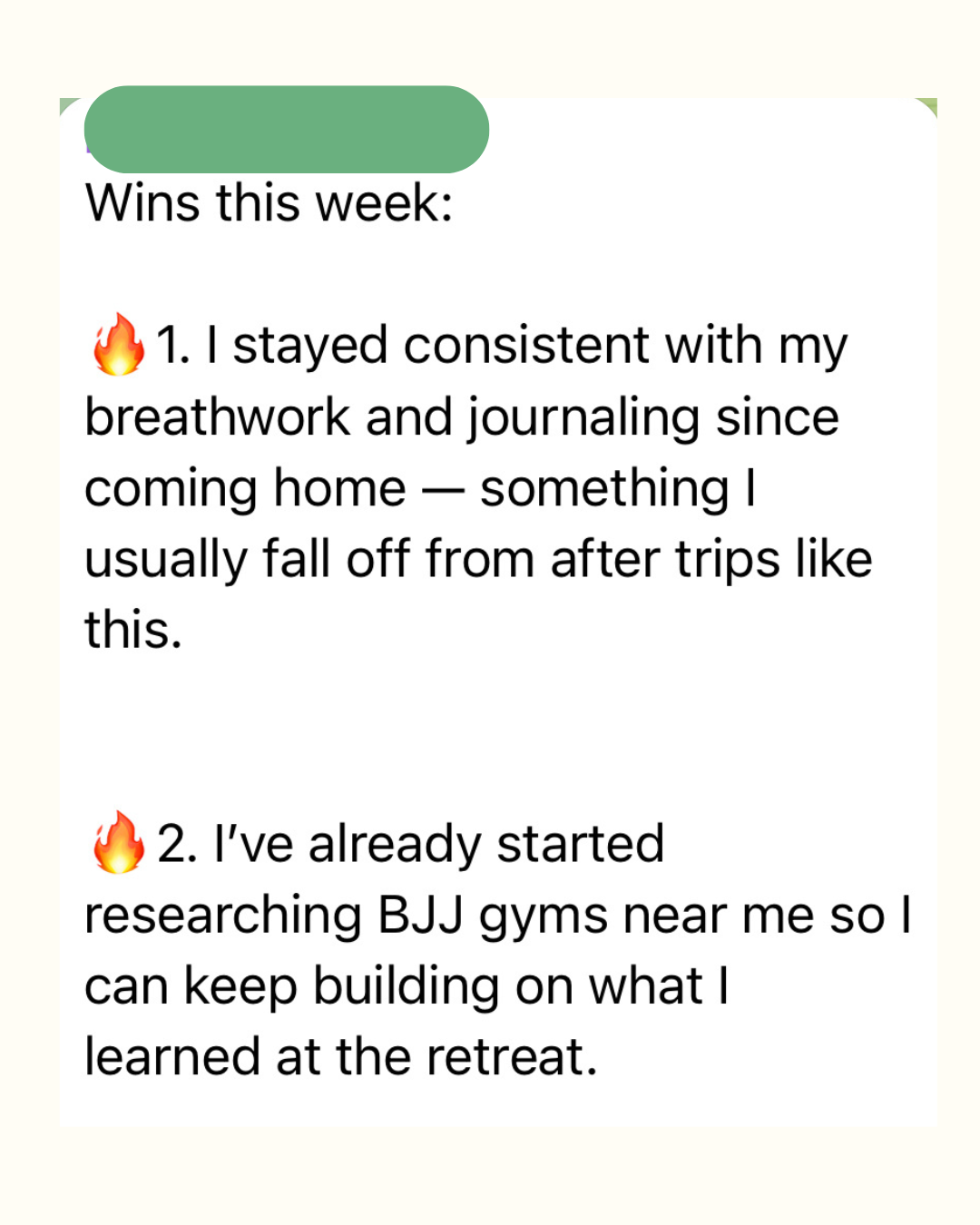
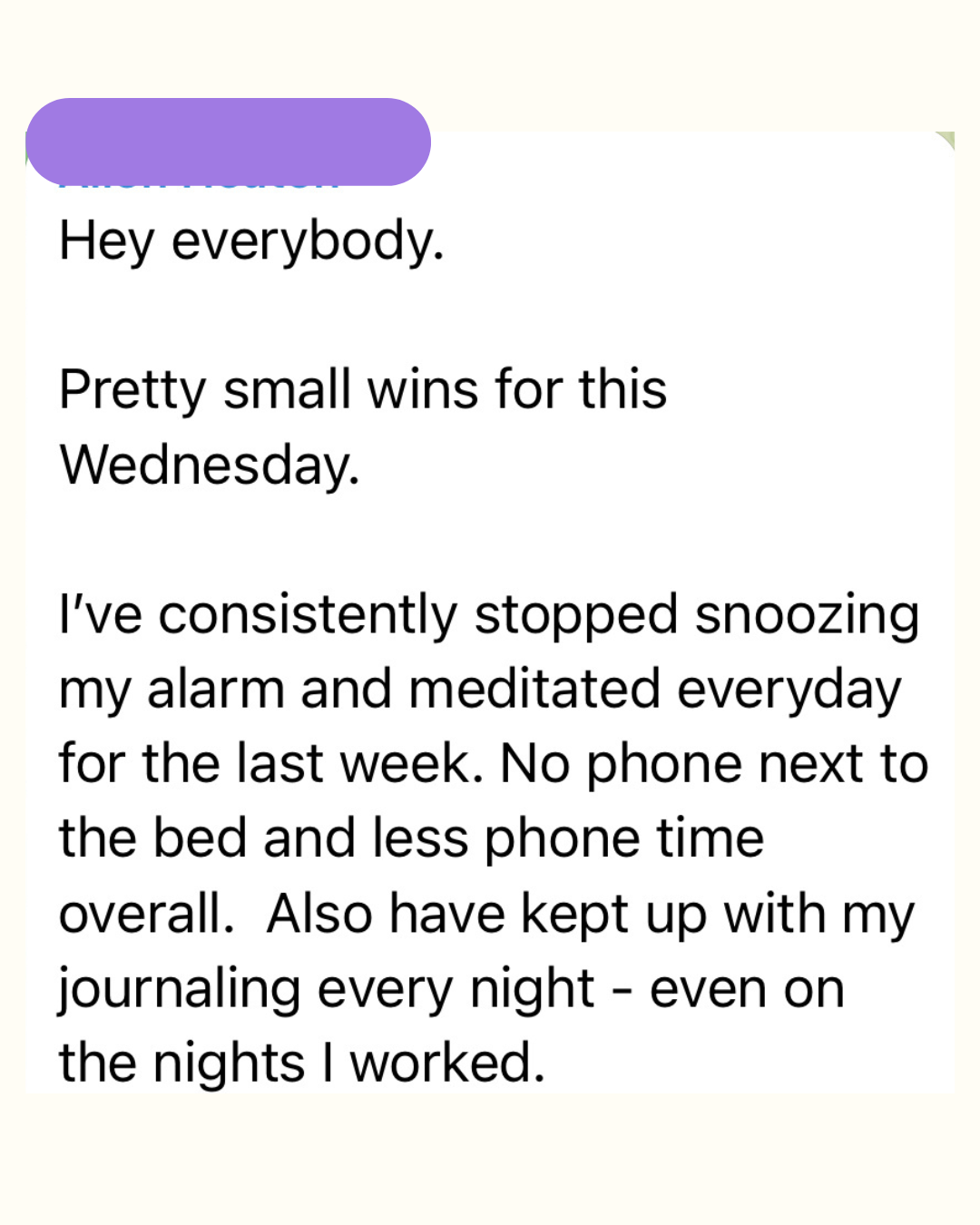
Each week has its own module with a guided practices such as meditations, breathwork, and somatic work alongside journaling prompts and a habit tracker.
David's signature journaling method is woven throughout the program, built specifically to help you process the past and move toward who you're becoming, without getting stuck in it.
These aren't practices you do for six months and put down. They're tools you'll actually use for the rest of your life.
-
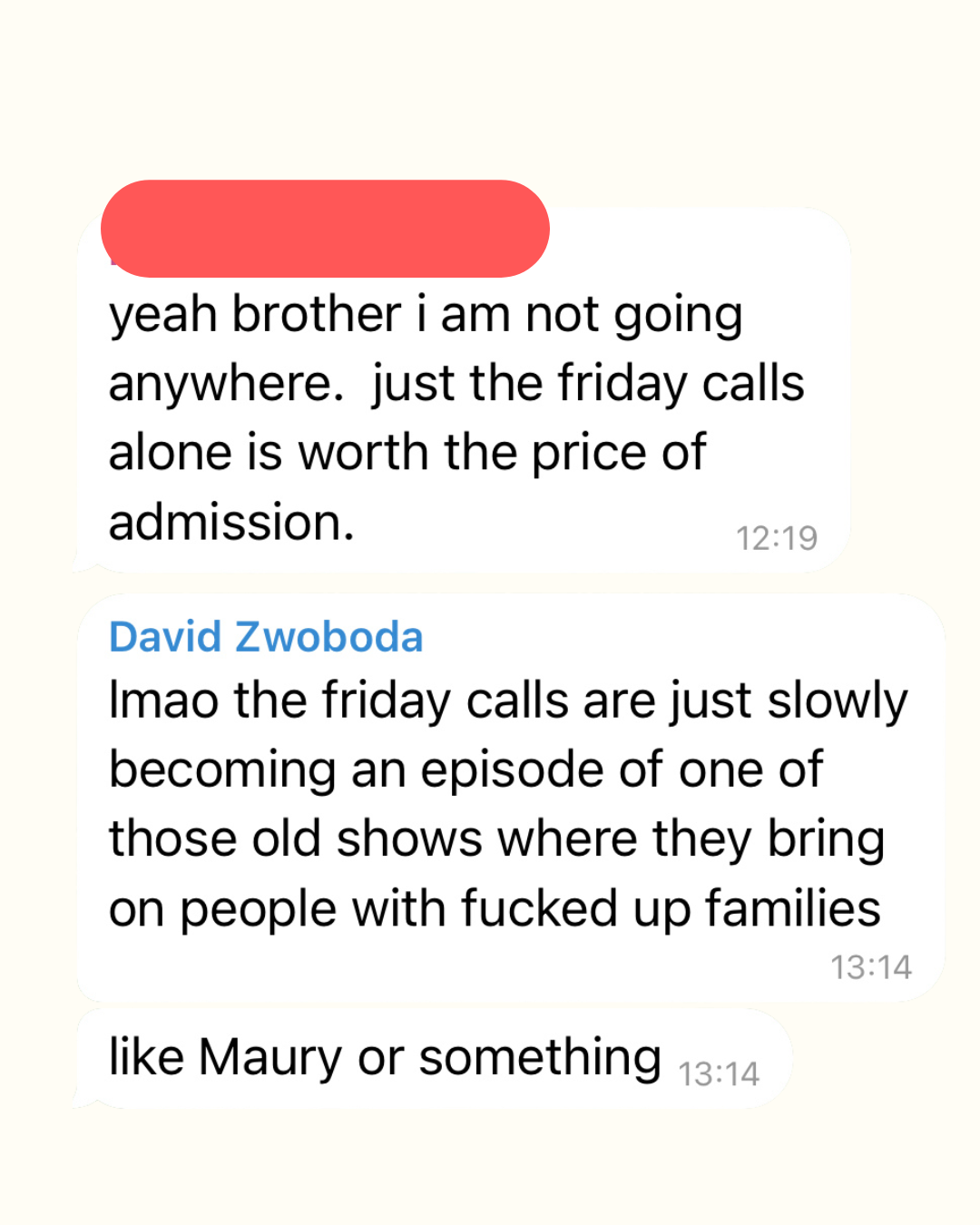
Multiple group calls run every week, structured around the program but open enough that you can bring what's actually happening for you.
You're also added to an active community of people who are in the work or have already been through it, including peer mentors who've graduated from the program and come back because they wanted to.
There's a reason some people stay in this community for years after finishing.
-
Embarking on this journey will radically change and transform your life, but it will also have a big impact on your family and relationship dynamics.
We invite your spouse (whether veteran/first responder or not) to join you on the journey and go through this big transformation with you at 50% of the cost.

The Hero’s Journey
-

Preparation & Foundation
The journey begins with a solid foundation. Before you dive deep into healing, we’ll help you build the right tools and mindset to ensure you’re ready for the journey ahead.
This is about getting clear on where you are and where you want to go, and setting you up with the foundational practices that will guide you throughout the program.
-

Experience & Embodiment
This is the heart of the journey and the real work. In this stage, you will experience healing on a deep, visceral level. It’s not just about talking about healing; it’s about living it, feeling it, and integrating it into your body, mind, and spirit.
You’ll begin to see real shifts as you confront your trauma, anxiety, and depression head-on with guidance that’s grounded and practical.
-

Integration & Recalibration
The final stage is all about integration: taking the lessons, practices, and experiences you’ve gathered and embedding them into your daily life. It’s about recalibrating to a new version of yourself that’s more grounded, empowered, and connected. Healing isn’t just a one-time event but an ongoing process of evolution.
With the support of our community, you’ll have the tools to continue your journey long after the program ends.
To open deeply, as genuine spiritual life requires, we need tremendous courage and strength, a kind of warrior spirit.
— Jack Kornfield
This Is For You If …
You've done the therapy, the medication, maybe even a retreat or two, and you're still stuck in the same patterns.
You're functional enough that nobody around you would know how much you're carrying.
You're tired of managing symptoms and ready to actually address what's underneath them.
You're willing to be honest, even about the parts you're not proud of. And you understand that real change requires showing up consistently, not just when you feel like it.
This Is NOT For You If …
You're looking for something that works without you having to change anything.
You want to talk about your problems without taking any action on them.
You're not willing to be honest with yourself or the people supporting you.
Or you're in an acute crisis right now that requires immediate clinical care, in which case we'll always point you toward the right resources first.
The Process Is Simple - But Not Easy …
1 ) We start by getting the full picture
Before anything else, you complete a detailed intake that covers your history, your symptoms, your habits, your relationships, and what you've already tried. Then we have a real conversation about where you are and what's actually going on. Most people tell us it's the first time someone has asked the right questions. That intake shapes everything that comes after it.
2) We build a plan specific to you
Based on what we learn, we put together a protocol built around your life, your schedule, and your goals. The program modules are the same for everyone. How you move through them, what we focus on in your 1:1 support, and what we ask you to work on week by week, that's built for you specifically. You're not following someone else's roadmap. You're building your own.
3) We track, adjust and keep moving forward
Every week you submit a check-in. We read it, we respond, and we adjust the plan based on what's actually happening for you. Progress gets tracked across habits, symptoms, sleep, energy, and mood so we can see what's working and where to focus next. Nothing is set in stone. The program evolves with you.
Healing Out Loud - So Other’s Don’t Suffer In Silence


FAQs
Who is this program for?
Veterans, first responders, trauma survivors, and their partners. If you've been through something that left a mark and you're ready to actually deal with it rather than manage it, you're in the right place.
What can I expect?
Six months of structured work on the things that actually drive behavior: your nervous system, your habits, your environment, and your identity. Weekly modules, guided practices, direct access to David and Cordi, and a community of people doing the same work alongside you. It's practical, it's personal, and it will ask something real of you.
What if I’m still on active duty?
If you're still in active duty, we get it. The last thing you want is to feel like you're not messed up enough to seek help. But you don't have to hit rock bottom to start healing. This program works for people still in service who want to make sure they're not heading for burnout or emotional collapse.
How long is the program?
Six months of personalized 1:1 support. You keep access to the community and everything inside it forever.
Is it group coaching or one-on-one?
Both. The program runs as a group with multiple calls per week, plus unlimited 1:1 support from David and Cordi throughout. We take on a very limited number of private clients every quarter.
Can I use this program to prep & integrate from bigger ceremonial experiences?
Absolutely. The program is designed to complement whatever else you're doing. We'll help you build a strong foundation, set clear intentions, and make sure you're integrating whatever you're working through, not just accumulating experiences.
What if I'm not a veteran or first responder?
You're still welcome here. A significant part of our community is made up of people who have been through trauma of a different kind: childhood wounds, abuse, addiction, burnout, loss. The program works because trauma is trauma, regardless of where it came from. Our community is direct, no-nonsense, and low on therapy-speak. If that sounds like your kind of people, it probably is.
What if I’m on prescription medication?
We're not here to make you quit cold turkey. We'll work with you to develop a plan that supports you in building new tools and habits, and if reducing medication is a goal over time, we'll help you approach that safely and gradually.
Is this different from traditional therapy?
Yes. Traditional therapy is valuable for some people and some situations. What we do is different: it's active, structured, and built around changing your actual life, not just understanding it better. We're not here to talk about your problems for years. We're here to help you do something about them.
Is the program online or in person?
Our program is fully online, so you can join from anywhere in the world, although our call times are optimized for US, Canada & Central Europe. All coaching, resources, and support are accessible virtually, making it easy to fit into your life, no matter where you’re located.